




Unique Walls For Unique Homes

How to Make Quirky Wall Decor Work in Small Rooms
Think unique and unusual wall decor is only for bigger rooms? Think again! Small spaces are perfect for thoughtfully curated art showcases - and this is why

Unexpected but BRILLIANT places to use wallpaper in your home
Wallpaper is one of the biggest home decor trends of 2026. Featuring florals, geometric patterns and gorgeous metallics , go as bold and beautiful as you dare.

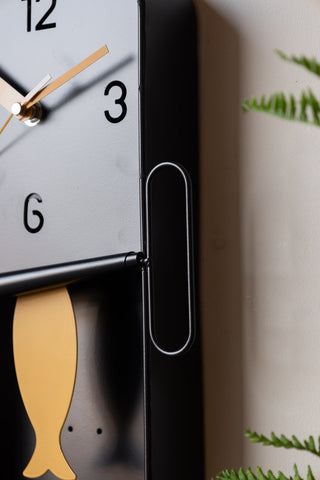
How To Use Wall Clocks As Wall Decor || Rockett St George
Whether you prefer traditional or modern, wall clocks are a classic timepiece that will always have a place in our homes. Form meets function in a beautiful way!

Meet The Wall Decor Made For Miracles
Beautiful wall decor adds a perfect finishing touch to your home, especially when it's as striking and meaningful an addition as a Milagro heart wall hanging.

Mirrored Wall Art FAQ
Your questions answered
-
We think mirrored wall art is pure perfection! Consider mirrored wall art to be the fabulous fusion of typography, graphic design and weathered (or ‘foxed’) glass. It's all brought together in one package of decorative gloriousness just perfect for adorning your walls. These beauties don't just reflect light - they add style, texture and pop of personality. So if you're after something that's part functional + part fabulous = all you, mirrored wall art might just be your new wall crush.
-
Mirrored wall art is like a stylish, artsy cousin of your everyday mirror. While a regular mirror is beautiful but mostly about function, mirrored wall art is here to make a statement. It’s a mirror whose main job isn’t actually being a mirror, if that makes sense. It’s a mirror that’s less about reflection and more about decoration.
-
No one wants a sparkly, shiny, 'what's that doing there?' on their wall. The good news? Mirrored wall art is super versatile, and with a few easy tricks, it can totally fit in with your decor theme. First, look at the frame and overall design. Going for modern and minimal? Choose pieces with clean lines or black and metallic finishes. More into boho, vintage or eclectic interiors? Try a mirror with curvy shapes, antique touches, or mixed materials like wood or brass. And don't forget size and placement! A bold mirror can be your statement-maker, while a smaller, more subtle design can just add a little glimmer to a room. The trick is to treat mirrored wall art the same as you would treat any other decorative piece - pick something that fits your colour palette and makes you smile.
-
It's super easy to keep things looking fresh and fabulous when choosing your mirrored wall art. If you want to avoid that over-the-top flashy vibe, go for pieces with clean lines, soft, flowing shapes, or a mix of earthy materials like wood or bamboo to counteract the glam. Also, consider the placement. In the right place, with the right styling, mirrored wall art will add brightness and depth. The key is balance. Let it shine, but not so brightly it dims everything around it.
-
Mirrored wall art is like a little ray of sunshine - it loves to be where it can catch the light and show off its sparkle. Think above a sofa or fireplace where it can be the star of the room, or in your entryway to greet guests with a stylish hello. They also work magic in hallways or narrow spaces that need a bit more brightness and depth. Basically, if you want a space to feel bigger and brighter, that's the perfect place for your mirrored masterpiece.

Art Prints FAQ
Your questions answered
-
Most of our prints are available framed or unframed - the choice is yours. You have the option to choose as you complete your order, so tick the box that floats your boat. Easy peasy.
-
We don't include wall mounts (or hanging hardware, like screws) with our artwork, but a quick jaunt to your local DIY store will have exactly what you need. Happy hanging!
-
You absolutely can. In fact, we recommend it. We like to mix shapes and sizes, but also textures and types of art - so introducing decorative mirrors, for example, or quirky signs, and even animal-themed artwork to really shake things up. The beauty of gallery walls is that you can build them out to be a direct reflection of your creative style and preferences - they're the perfect expression of a maxim we live by, which is 'your home, your rules'. Gallery walls, if you wish them to be, are a work in progress - a creative endeavour that's always evolving in a way that's meaningful and deeply personal.
-
We don't think so. In fact, some of the most interesting rooms are built on contrast, not coordination. Mixing different art prints - whether that’s bold abstracts with vintage-style illustrations, typography with photography, or colourful pieces alongside monochrome designs - creates depth, personality and a far more collected feel.
That said, “not matching” doesn’t mean completely random. The key is cohesion, not uniformity.
Here are a few easy ways to make mixed prints work beautifully together:
1. Find a common thread
This could be a shared colour palette, a recurring theme (botanical, portrait, surreal), similar framing, or even just a consistent mood. One linking element helps everything feel intentional.
2. Play with scale
Combine large statement prints with smaller supporting pieces. Variation in size adds rhythm and prevents the wall from feeling flat.
3. Keep frames consistent (or deliberately mixed)
Matching frames create a polished, gallery-style look. Mixing frame finishes - black, gold, wood - feels more eclectic and layered. Both work, as long as it looks considered.
4. Think about spacing
Whether you’re creating a gallery wall or hanging pieces individually, consistent spacing keeps the arrangement feeling curated rather than cluttered.
If you prefer a calmer aesthetic, sticking to one colour family or art style can feel soothing and cohesive. If you love a more maximalist look, lean into contrast - that tension is what gives a room energy.
Ultimately, your wall art should reflect your personality, rather than follow a rulebook. The most compelling gallery walls incorporate art that feels collected over time - visual storytelling at its best. -
It's a great question - and the answer is, yes, as long as it's done with a little care and consideration. Here's what to consider:
1. Be mindful of heat
Excessive heat can damage certain materials over time. Paper prints, delicate frames and canvas pieces can warp or discolour if exposed to constant high temperatures. If you have your heating on a lot, and / or like it tropical, consider the following:
Hang framed prints only - the glass protects the artwork
Opt for higher-quality paper and finishes
Make sure there's a gap between the radiator and the artwork.
2. Avoid steamy spaces
In bathrooms or kitchens where heat combines with moisture, artwork may deteriorate more quickly. In these spaces, sealed frames or more durable wall decor (such as metal or sculptural pieces) may be a better option.
3. Get the proportions right
Your artwork should feel balanced when hanging it above a radiator. As a general guide, choose a piece that is slightly narrower than the radiator and hang it around 10–20cm above it to allow breathing space.
4. Consider alternatives
If you’re concerned about heat damage, a mirror, metal wall art or decorative shelving above the radiator can achieve a similar visual impact with less risk. -
Hanging a heavy picture (or mirror) properly is essential, not just because of how it looks but also to make sure it's safe. It's important to choose the right fixings for your wall type and to ensure the weight of your artwork is properly supported. This helps to prevent damage to both the art and your wall (and anything or anyone that might be underneath it).
Before you do anything else, find out what you’re drilling into. Solid masonry (brick or concrete) is strong and ideal for heavy artwork. Brick walls are usually external walls, or weight-bearing walls inside your home. It's every DIY TV show cliche, but if you give your walls a tap, this is a pretty good indicator of what they're made of. Brick walls produce a solid, dull sound, while plasterboard sounds hollow. As a rule of thumb, older houses are more likely to have brick walls; newer builds plasterboard. Give them a knock to see which yours are.
If you want to hang a heavier piece from a plasterboard wall, it's best to find the 'studs' (vertical wooden beams that help to strengthen the wall and give it its structure) and screw your wall-hanging fixtures into those. (You can use a 'stud-finder', available in DIY stores, to help with this.) Measure your picture's hanging height (usually 145-152cm or 57-60 inches from the floor - about eye-level for an adult) and make a pilot hole with a carpenter's awl to guide where your screw should go (doing this also confirms the wall type you're hanging your artwork from). Then use a screwdriver or drill to create the hole, and insert a rawlplug for extra stability. Tap the screw into the rawlplug, leaving the head of the screw poking out for the hanging cord. Always check the weight rating of your fixings and choose ones that exceed the artwork’s weight.
For larger or heavier pieces, use two hooks, or 'fixing points', instead of one. This distributes the weight evenly and prevents the artwork from tilting.
In short: the best way to hang a heavy picture is to match the fixing to the wall type, use hardware rated for the weight, and distribute the load properly. A few extra minutes of preparation ensures your artwork stays beautifully (and safely) in place. -
Thought you'd love it, but actually...not this time? No problem. As long as you return the item in its original packaging within 30 days of receipt, we'll issue a full refund, no questions asked. Please fill out a Returns form so our customer services team can register it, or, if you prefer, get in touch via contact@rockettstgeorge.co.uk or 01444 253391. Please do make sure your item is securely packaged as art is easily damaged in transit!

Picture Wall Mirrors FAQ
Your questions answered
-
A picture wall mirror is essentially a decorative mirror that acts like wall art, combining the functionality of a mirror with the aesthetic impact of a framed, statement piece. These are so much more than just a looking glass, in that they often feature ornate or unusual frames, sculptural shapes or artistic details that make them as striking as any print or painting on your wall. In many cases, they’re designed to be showcased alongside other artwork, woven into gallery walls or used as standalone focal points that bounce light and add depth to a space.
Examples include decorative convex mirrors with dramatic frames, ornate heart-shaped wall mirrors or framed pieces that feel like art in their own right.
Perfect for adding that pop of personality that finishes a wall or room perfectly. -
Great question - and the secret is balance and intention.
Mirrors work beautifully alongside artwork and wall lighting because they add contrast, reflecting light and space while other pieces add colour, texture - and tell a story. When styled together thoughtfully, they create a layered, curated look.
Start with scale. If your mirror is bold or ornate, balance it with simpler artwork. If your art is colourful or detailed, a subtler mirror frame will prevent visual overload.
Next, think about spacing. In a gallery wall, treat the mirror like another piece of art, keeping gaps consistent so the arrangement feels cohesive. Mixing shapes (round mirrors with rectangular frames, for example) adds rhythm and interest.
Remember, too, that wall lighting can work beautifully next to a mirror, creating accents of light both during the day (especially if the sun is shining) and into the evening as the lights come on. Position sconces either side of a mirror for symmetry and softness, or let a sculptural wall light sit slightly offset to create a more relaxed, eclectic feel. -
Another great question - to which the answer is a confident YES.
Mixing different styles of mirrors adds depth, texture and a layered feel that a single style simply can’t achieve. The key is to make the combination feel curated rather than chaotic.
Start by varying shape and scale. Combine round, rectangular and more ornate silhouettes to create movement across the wall. Mixing small decorative mirrors with one slightly larger anchor piece helps ground the arrangement.
The key to this look is a unifying thread. This could be the finish (such as brass or black), a similar vintage feel, or a cohesive colour palette. Even if the frames differ, one consistent element will tie everything together.
As always, be mindful of spacing. Keep gaps relatively even so the display feels intentional, and plan the layout on the floor first before committing to the wall.
Finally, think about reflection. Multiple mirrors will bounce light in different directions, so position them where they’ll reflect beautiful decor and catch the light at different times of day.
Done right, a mixed mirror gallery wall feels confident, eclectic and full of personality. Don't be afraid to play around with styles and placement - when it's right, you'll know it. -
If your mirror arrives damaged, contact our customer service team as soon as possible with photos and your order details, and we'll resolve your queries in a flash (and apologise profusely). If you’ve simply changed your mind, that's no problem either. As long as you return the item within 30 days of receipt, unused and in its original packaging, we'll issue a full refund, no questions asked. All the details you need to return it are here so do get in touch and our friendly customer services team will be super-happy to help!

Wallpaper FAQ
Your questions answered
-
Wallpaper has had several seasons in the sun, but in its most recent heydey (the 1950s to the 1970s), wallpaper featured everything from delicate designs to bold florals and geometric shapes.
We fell out of love with it a little towards the end of the '90s and early 2000s, when minimalism ruled (and paint brands boomed) but we've never completely lost our affection for it. In 2026, wallpaper isn't just back - it's evolved.
Interior design has shifted away from safe, flat spaces towards personality, texture and storytelling - and wallpaper delivers all three.
Designers consistently point to wallpaper as a key way to add depth, individuality and visual interest to a room.
Current trends show:
Bold, maximalist prints are thriving
Textured wallpapers (grasscloth, cork, linen) are everywhere
Murals and large-scale designs are turning walls into artwork
Even ceilings and unexpected spaces like the inside doors of wardrobes are being wallpapered.
So the answer to the question is a resounding - YES.
Wallpaper is still in style, but what's changed is how we use it. Rather than wallpapering all four walls (the first iteration of the concept we now refer to as colour-drenching), we're using wallpaper more sparingly but creating homes that have just as much impact. Now, wallpaper is styled next to painted walls, art and other wall decor to create layered 'style spots'.
There are a couple of other points to remember when considering whether to take the plunge with wallpaper:
These are:
Extremely bold prints in too small a space can feel overwhelming
Trend-led designs can date faster than classic ones
The idea of a weekend spent slaving over a paste table and hanging wallpaper might not be to everyone's taste - it's a fiddly job.
But used thoughtfully and doing things your way over following trends?
That's the Rockett St George playbook right there. -
It's a great question.
The trick isn’t, as you might think, to play it safe. All too often, safe equals bland, which is a four-letter word here at RSG. Instead, it's about choosing wallpaper patterns that are steeped in heritage. Think designs that have been around for decades (or centuries!) and still feel relevant today.
Here’s how to get it right:
1. Start with proven patterns
Some wallpaper styles simply don’t date. These include:
Stripes - clean, structured and endlessly versatile. They can even make a room feel taller or wider.
Florals - especially softer, more traditional blooms or botanical prints.
Toile - romantic and whimsical, these storybook-style scenes feel elegant and evergreen
Damask - ornate, symmetrical patterns bring a sense of quiet luxury
Subtle geometrics – structured, balanced and quietly modern.
These are the foundations of timeless interiors because they’ve already stood the test of time, especially when paired with a refined colour palette.
For a classic feel, lean towards:
Neutrals (cream, beige, soft grey)
Muted tones (sage green, dusty blue, blush)
Monochrome palettes (black and white always feels sharp and enduring).
Avoid anything overly trend-led, and remember: if pattern feels like too much, go for texture-led wallpaper instead, like:
Grasscloth or linen finishes
Subtle metallics
Lightly embossed designs.
These add depth and interest without overwhelming a space, creating what interior designers often refer to as “quiet luxury.”
2. Match the wallpaper to the room
A timeless look is as much about where you hang your wallpaper as it is about design.
In the living room, go for soft geometrics, stripes or textured neutrals
For bedrooms, choose florals, toile or calming botanicals
Hallways benefit from classic patterns that create flow and cohesion.
3. Remember balance is everything
Even the most traditional wallpaper can feel modern if it's styled well. Our tips are to pair classic prints with contemporary furniture; to mix wallpaperwith simple wall decor so the space doesn’t feel overly formal and touse wallpaper in your broader wall decor ideas. Think panels, feature walls or framed sections - less of a commitment, but still just as beautiful.
Ultimately, timeless wallpaper isn’t about being boring, it’s about being confidently classic.
Choose patterns with history, colours with longevity, and designs that feel like they'll be working just as beautifully in 10 years as they do today. -
Lots of people approach the idea of wallpapering with trepidation but here's the thing: it's not difficult, it's just time-consuming. Trust us: if you cut corners, it will show, but with the right preparation and tools, you can get a professional result you'll be proud of.
Can I wallpaper over wallpaper?
Technically, yes - but it’s not always the best idea. If the existing wallpaper is smooth, firmly stuck down and in good condition, you might get away with it. However, seams, texture or peeling edges can show through the new wallpaper and ruin the finish. For the best, most polished result, it’s always worth stripping the old wallpaper back first. You can do this using a steamer, or chemical wallpaper stripper. Think of it as setting the stage for the next act.
Can I wallpaper over paint?
As long as your painted walls are in good condition - smooth, and free of lumps, bumps and divets - it should provide a good surface for your wallpaper to stick to. Just make sure the paint isn’t flaky or glossy. If it’s the former, give it a light sand, then brush down with a stiff broom to remove debris. If the paint has a glossy, shiny finish, give it a light sand to help the adhesive grip (again, brush down for a clean, even surface). The dream surface is a smooth, clean, dry plaster or well-prepared painted wall. Fresh plaster should be sealed first (with a mist coat - a thinned-down layer of emulsion paint), and any cracks or holes filled and sanded. Wallpaper loves a flat, even base - anything too textured or uneven will show through.
What do I need for wallpapering? And how do I prep?
As with so many DIY tasks, preparation is everything.
You’ll need:
Wallpaper paste (or paste-the-wall adhesive, depending on your paper - it will say on the packaging. Paste-the-wall paper is less fiddly but some types of wallpaper still require you to apply paste to the wallpaper strip, and to allow for 'soaking' time)
Paste brush or roller
Sharp knife or scissors
Spirit level or plumb line
Tape measure
Smoothing brush or wallpaper smoother
Sponge and clean cloth.
Step-by-step:
1. Clear & clean: remove old wallpaper, nails and dust.
2. Make good: fill cracks and holes, then sand smooth.
3. Seal the wall with a mist coat: especially important for fresh plaster.
4. Measure & plan: mark a straight vertical line to keep things aligned.
5. Cut your drops: allow a little extra for trimming.
6. Paste & hang: apply adhesive evenly, then position carefully.
7. Smooth as you go: remove air bubbles and excess paste.
8. Trim edges: for a crisp, professional finish.
And there you have it! If you're a wallpapering novice, start with a small space and attempt larger expanses of wall as you get the hang of it. Take your time, be patient and your walls will reward you for it.
Wall Decor
Welcome to the world of quirky wall decor, where sweary mirrors meet swearier wall signs and animal heads vie for attention with beautiful bird wall art.
Whether you want to create a fabulous gallery wall or liven up an understated space, we have some extraordinary pieces just waiting to tell your story. Here at Rockett St George, we know that quirky wall decor is at its best when it feels intentional and thought-through.
The secret isn’t holding back on personality. It's balancing it. Statement art or your best character pieces need space to shine, and contrast to give them impact.
Ready for a whistlestop tour of how to style your quirky wall decor? Because it's easy when you know how...
1. Choose one hero piece
Start with one standout item, whether that’s a sculptural wall ornament, a bold art print or something more unexpected, like our Large White Faux Swan Head. Lead with this, then build your scheme around it with more understated pieces.
2. Allow for breathing room
Remember, not every inch of wall needs to be filled. Negative space allows quirky pieces to feel curated rather than cluttered. Remember, if everything shouts, nothing gets heard...
3. Anchor quirky with calm
Pair playful decor with grounding pieces - think neutral walls, classic furniture shapes or cohesive framing. This contrast keeps the look sophisticated rather than chaotic.
4. Stick to a loose theme or tonal colours
Even eclectic walls need to feel connected. Your common theme might be:
-
A recurring or tonal colour
-
A shared metallic finish
-
A similar vintage feel
-
A consistent scale.
A common thread acts as a subtle connection that ties everything together.
5. Mix materials thoughtfully
Combining metal, ceramic, wood and fabric is a beautiful way to add depth and texture to your walls. The key is to vary scale and placement so it feels layered, rather than busy.
6. Edit ruthlessly!
Very important, this one. Step back and assess. If something feels crowded, remove one piece. Often, subtracting just one item transforms the whole arrangement.
Ultimately, quirky wall decor should feel confident and expressive. It it feels overwhelming, you've gone too far. The goal is a space that feels collected and characterful, not chaotic. When styled with intention (and a little restraint), bold pieces become design moments rather than distractions.